

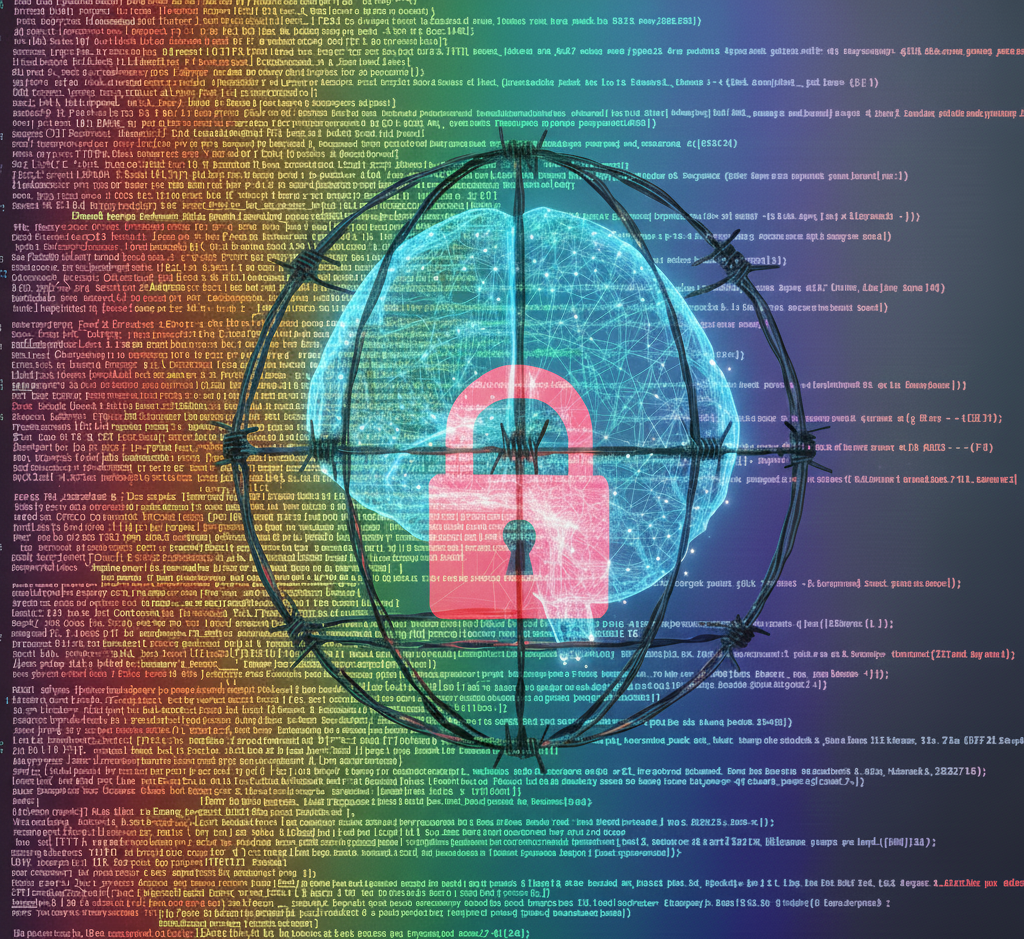
Internet censorship in Iran has profoundly reshaped how information about gender, sexuality, and health is produced, accessed, and understood. While much attention has focused on the blocking of global platforms, less examined is how censorship has altered the information ecosystem itself—particularly for LGBTQI+ individuals who rely on online spaces for education, community, and support.
Following the blocking of global platforms such as YouTube, domestic platforms operating under the laws and regulations of the Islamic Republic of Iran have expanded significantly. Due to their wide accessibility and the absence of viable alternatives, these platforms have become primary sources of information for many users.
Within this environment, misleading and non-scientific content related to sexual orientation and gender identity is widely circulated. This includes materials that frame homosexuality as a disorder or promote so-called “conversion” or “corrective” therapies. At the same time, access to evidence-based, scientific, and educational resources in this field has been systematically restricted.
Extensive scientific research has demonstrated that such practices are not only devoid of medical or scientific validity, but can also cause severe and long-lasting psychological harm, including anxiety, depression, post-traumatic stress disorder, and an increased risk of self-harm. LGBTQI+ adolescents are particularly vulnerable, especially in contexts where families, lacking access to accurate information, attempt to alter a child’s sexual orientation or gender identity.
The harms caused by this misinformation are not limited to the individual level. In the absence of comprehensive and evidence-based education within the formal education system, these narratives contribute to the broader dissemination of false information in society and reinforce conditions that enable discrimination and violence against LGBTQI+ individuals.
HOMA’s previous report examined the impact of internet filtering and restrictions on access to information related to gender, sexual orientation, and mental health among LGBTQI+ communities in Iran. That analysis demonstrated how limiting access to reliable information in this domain produces structural harms that disproportionately affect LGBTQI+ individuals and exacerbate existing forms of exclusion and vulnerability.
From a legal perspective, HOMA’s previous report found that Iran’s internet filtering policies violate the right to seek and receive information under Article 19 of the International Covenant on Civil and Political Rights (ICCPR), as well as the right to health under Article 12 of the International Covenant on Economic, Social and Cultural Rights (ICESCR). By restricting access to evidence-based educational and health-related content while allowing the widespread circulation of misleading and harmful information, these policies fail to meet the State’s obligation to ensure access to accurate health information and to protect individuals from foreseeable harm.
Taken together, these dynamics show that internet censorship in Iran does not merely limit access to information but actively reshapes the information environment in ways that expose LGBTQI+ individuals to harm. Understanding censorship as both restriction and substitution is essential to assessing its full human rights impact.
 Homa
Homa 